
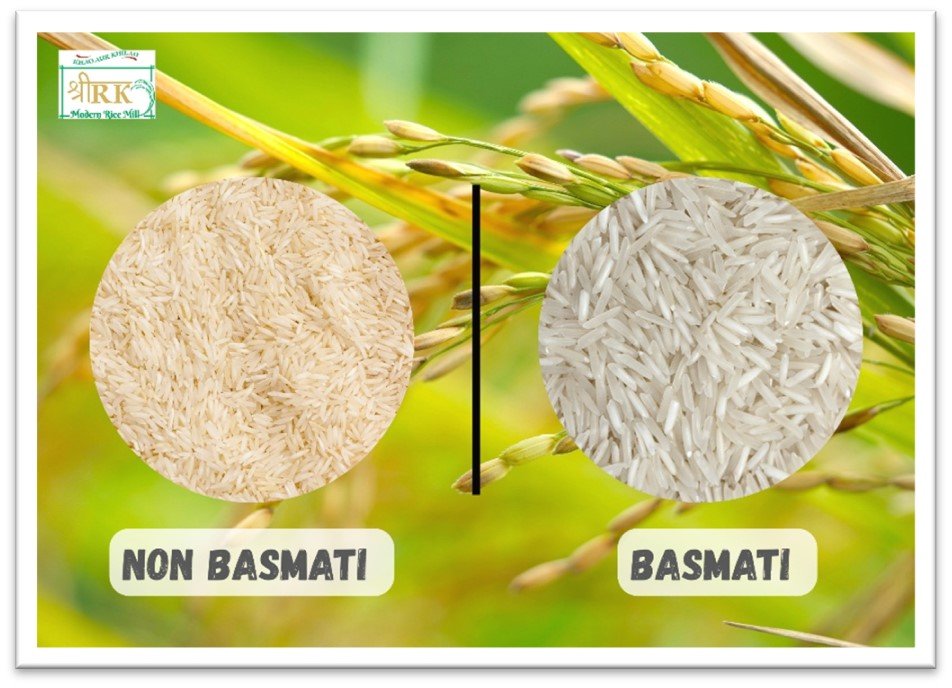
When it comes to choosing rice for daily meals, most people immediately think of Basmati. While Basmati rice is popular for its long grains and aromatic flavour, non-Basmati rice varieties have several advantages that make them a better choice for everyday consumption—especially for health, affordability, versatility, and regional taste preferences. With over a decade of experience in the rice industry, I’ve seen first-hand how non-Basmati rice consistently delivers value, nutrition, and culinary excellence for millions of households.
10 points that How Non-Basmati Rice is Better than Basmati Rice
- Higher Natural Nutrition:
non-Basmati rice often retains more fibre, minerals, and essential nutrients.
Its lighter polishing helps preserve health benefits that basmati sometimes loses. - Perfect for Daily Meals:
It is softer, easier to digest, and ideal for everyday Indian dishes.
Families prefer it for sambar rice, curd rice, lemon rice, and routine meals. - More Affordable & Value for Money:
non-Basmati rice offers great quality at a much lower price than basmati.
This makes it suitable for households, restaurants, and bulk buyers. - Wider Variety to Choose From:
From Sona Masuri to HMT, IR-64, Kolam, JSR and more—options are endless.
Each variety has a unique taste, aroma, and cooking style to suit different needs. - Better Texture for Indian Cooking:
non-Basmati rice cooks soft, fluffy, and blends well with all curries.
It gives the perfect texture for South Indian and home-style meals. - Health-Friendly Glycemic Levels:
Many non-Basmati parboiled varieties have a lower glycemic index.
This supports better sugar control and is helpful for daily balanced diets. - Supports Local Farming Communities:
Most non-Basmati varieties are grown across Telangana and South India.
Choosing them helps support regional farmers and rural livelihoods. - Highly Versatile Across Dishes:
It works well for idly batter, dosa, pongal, tiffins, and all daily meals.
Basmati cannot offer this multi-purpose flexibility for everyday cooking. - Mild Natural Aroma for Common Recipes:
non-Basmati grains have a pleasant, subtle aroma that enhances food naturally.
It does not overpower dishes, making it perfect for regular home use. - More Sustainable to Cultivate:
non-Basmati rice varieties generally need less water and fewer inputs.
This makes them eco-friendlier and more suitable for long-term agriculture.
CONCLUSION
While Basmati rice has its own specialty, non-Basmati rice proves to be the better option for daily use, nutritional value, affordability, and versatility. Its wide variety, soft texture, and suitability for regular meals make it the trusted choice for households across India. If you are looking for a healthier, cost-effective, and more versatile option for your family or business, non-Basmati rice stands far ahead of Basmati in all practical aspects.


