
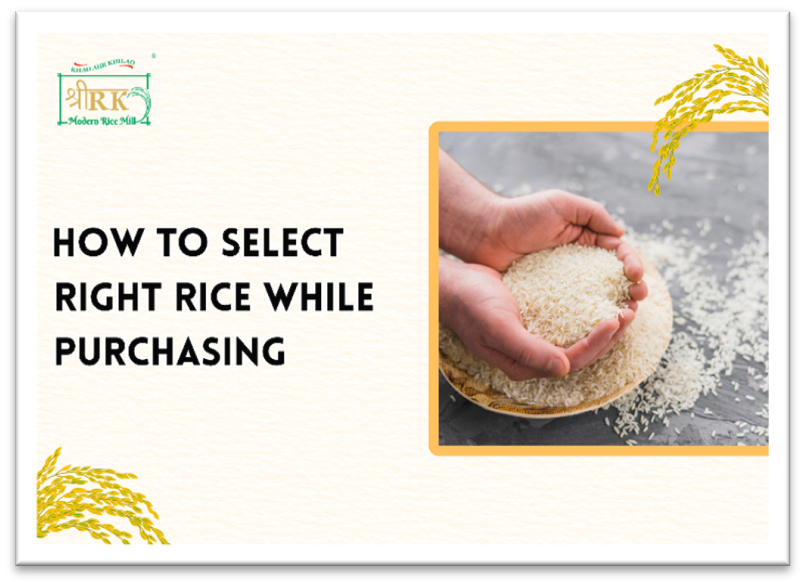
Choosing the right rice makes the difference between a sticky, bland plate and fluffy, aromatic perfection. Learn how to spot aged raw rice (12–24 months), why it often cooks and digests better than steam-parboiled rice, and 10 practical checks to pick the best bag every time. Rice is simple and surprisingly complicated. Small differences in variety, processing and storage change taste, texture and nutrition. Two types dominate the market: raw (often aged) rice and steam. If you want separate, fluffy grains, intense aroma and steady shelf-life, aged raw rice (stored 12–24 months after milling) is usually the better pick.
Raw vs Steam Rice Difference
- Raw (aged) rice: Milled rice that has been stored (naturally aged) for months to years; aging concentrates aroma, reduces moisture and helps the grain remain firm and separate after cooking.
- Steam rice: Parboiled while still in the husk, which drives nutrients into the grain and makes it less likely to break during milling; it cooks differently (usually plumper, slightly different texture). Both have roles — but their cooking behavior and health impressions differ.
What is aged raw rice?
Aged raw rice is rice that’s been stored under controlled, dry conditions for typically 12–24 months. During that time:
- Moisture content drops and starch molecules crystallize, so grains become firmer and less sticky when cooked.
- Aromatic compounds concentrate, improving fragrance and flavor.
- Texture improves for dishes like biryani, pulao, or any recipe that needs separate, non-sticky grains.
Health & cooking advantages of aged raw rice
- Better cooking consistency: Aged rice cooks into discrete, fluffy grains — ideal for pilafs, pulao and fried rice.
- Stable shelf behaviour: Lower moisture reduces spoilage risk and improves milling/head-rice recovery.
- Perceived digestive & nutritional advantages: While both raw and steam rices have pros, consumers often prefer aged raw rice for its texture and for the way it keeps separate on the plate. Traditional cooks also associate it with better satiety and palatability.
How to spot aged raw rice at the store — 10 practical checks
- Check the label for “aged” and months stated — the easiest proof. Look for “aged 12 months”, “aged 18 months”, or “aged 24 months.” Genuine sellers state this clearly.
- Color: slightly off-white / dull white — not cream-yellow. Aged raw rice typically looks a touch dull or off-white compared with freshly milled rice; it should not be cream-yellow or artificially bright. (You may have seen the word “creamish” — that means cream-colored. For aged raw rice, avoid creamish/yellowish tones.)
- No glossy artificial shine. Over-polished rice or rice treated with whitening agents can look unnaturally glossy. Aged raw rice usually has a natural, subtle sheen but not a fake shine.
- Smell the bag (if possible): Aged aromatic varieties will show more concentrated fragrance, there should be no musty or off smell.
- Grain feel and weight: pick up a little in your hand. Aged grains feel harder and less prone to powdering than freshly milled (new) rice.
- Uniformity: grains should be uniform in length and color with minimal broken kernels. Good aging preserves head-rice recovery.
- Cooking sample / supplier reputation: when buying from a new brand, ask for cooking samples or rely on sellers who note exact aging. Reputable sellers mention months of aging and source.
- Avoid bags that claim “extra white” or look too bright: that can indicate chemical whitening or aggressive polishing which masks true aging.
- Packaging date & storage advice: a clear packing date and a statement on storage (keep dry, cool) suggests the seller follows good post-harvest practice.
- Price vs. value: aged rice costs more because storing and maintaining quality costs money. Don’t chase cheapest bags if you want authentic aged rice. Good aging is an investment.


